


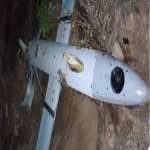
Southern Armed Forces Shoot Down Houthi Drone on the Airim Front in Al-Qabbaytah
The air defense units of the Southern Armed Forces successfully shot down a Houthi fixed-wing drone...





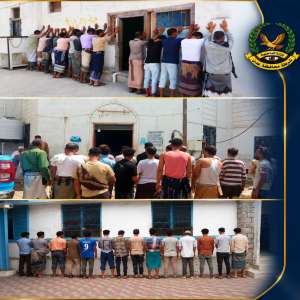
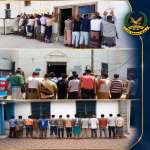
نفذت قوات الطوارئ والدعم الأمني التابعة لإدارة أمن العاصمة عدن صباح اليوم حملة أمنية موسعة شملت عددا من المديريات تضمنت تفتيش عدد من الأماكن المشتبه بها وأسفرت عن ضبط عدد من الأشخاص المشتبه بتورطهم في...
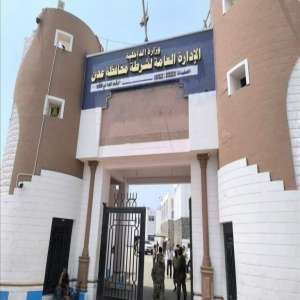
توضح إدارة أمن العاصمة عدن للرأي العام أن مطار عدن الدولي تعرض، فجر اليوم، لاستهداف بصاروخين أطلقتهما جماعة الحوثيين الانقلابية، في اعتداء طال منشأة مدنية حيوية، وعرّض حياة المسافرين والعاملين وطاقم ا...
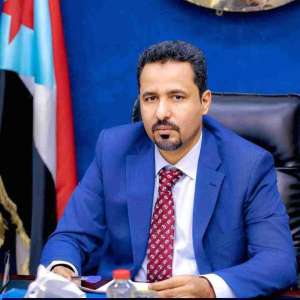
وجّه محافظ محافظة لحج، الأستاذ مراد علي محمد الحالمي، رسالة إلى أبناء محافظة لحج والجنوب عامة، دعا فيها إلى توحيد الصفوف ورصّ الكلمة ونبذ الخلافات، في ظل الظروف الراهنة التي تشهدها البلاد.وأكد الحالمي...
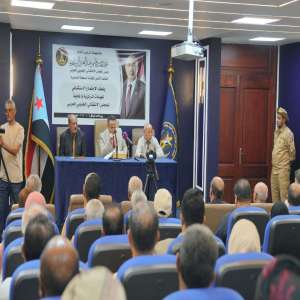
انطلاقا من التفويض الشعبي للرئيس القائد عيدروس الزبيدي، رئيس المجلس الانتقالي الجنوبي العربي، القائد الأعلى للقوات المسلحة الجنوبية والبيان السياسي والإعلان الدستوري والميثاق الوطني الجنوبي، وتجسيدا ل...
The air defense units of the Southern Armed Forces successfully shot down a Houthi fixed-wing drone...
On August 1, 2026, the Chinese People’s Liberation Army will mark the 99th anniversary of its foundi...

We do not know what has befallen the Chairman of the Presidential Leadership Council, Dr. Rashad Al-...

President Aidarous Qassem Al-Zubaidi, President of the Southern Transitional Council (STC), Supreme...